 English
 Italiano
 Deutsch
 Français
The Medici and the Destiny of Tuscany
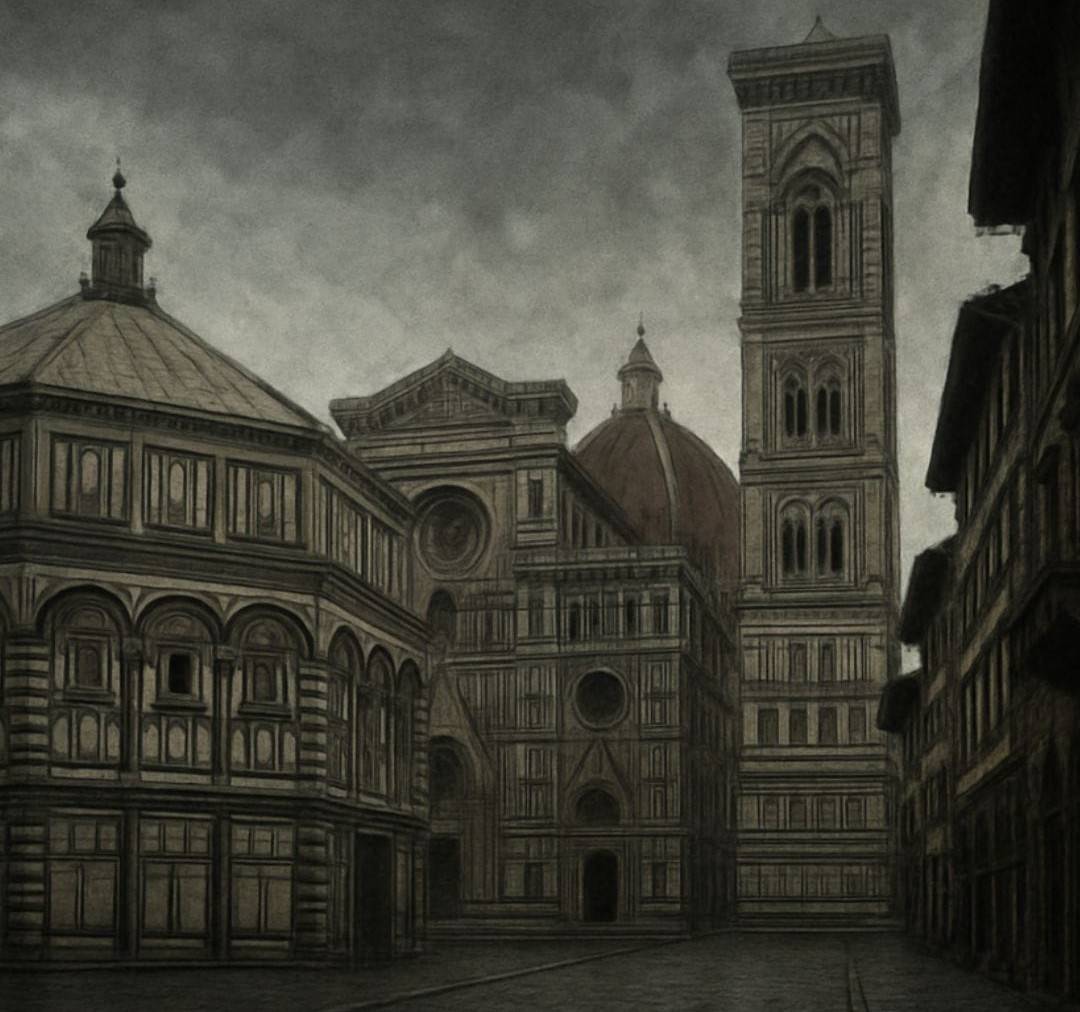
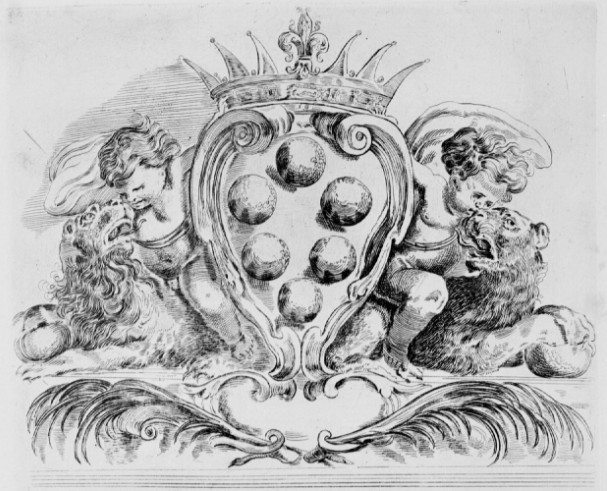
The history of Tuscany is inextricably linked to that of the Medici, one of the most influential families in Europe. Rising as bankers in medieval Florence, the Medici were able to turn economic wealth into political and cultural power, leaving a deep mark on the region and its identity.
From Banking to Power
The rise of the Medici began between the 14th and 15th centuries thanks to the Medici Bank, one of the most powerful in Europe. With Cosimo Il Vecchio, the family became the true political powerbroker of Florence, ruling without formally abolishing the Republic and relying on popular consensus.
The Florentine Renaissance
The Medici’s most famous contribution was their patronage. Under figures such as Lorenzo Il Magnifico, Florence became the heart of the Renaissance. Artists like Michelangelo, Leonardo, and Botticelli found support and creative freedom under the Medici, turning the city into a cultural model for all of Europe.
The Grand Duchy of Tuscany
In the 16th century, with Cosimo I de’ Medici, Florence became the capital of the Grand Duchy of Tuscany. The new state ensured political stability and promoted administrative and territorial development, strengthening regional unity.
Science and Progress
The Medici also supported science, protecting scholars such as Galileo Galilei and promoting academies, libraries, and scientific collections. This made Tuscany one of the most advanced centers of European knowledge.
Lights, Shadows, and Legacy
Alongside their great achievements, Medici rule reduced Florentine political freedoms and gradually lost momentum. Nevertheless, their legacy is immense: palaces, museums, villas, and an idea of Tuscany founded on art, culture, and beauty.
The Medici were not just a powerful family, but the architects of Tuscan identity. Their relationship with the territory transformed Tuscany into a universal symbol of culture and civilization, whose appeal endures to this day.