 English
 Italiano
 Deutsch
 Français
Pizza class in the Siena hills
🍕 Imagine arriving to a charming farmhouse where time seems to slow down and every detail exudes authenticity. Here, you won’t just attend a simple cooking class, but live an unforgettable moment you’ll carry with you forever.
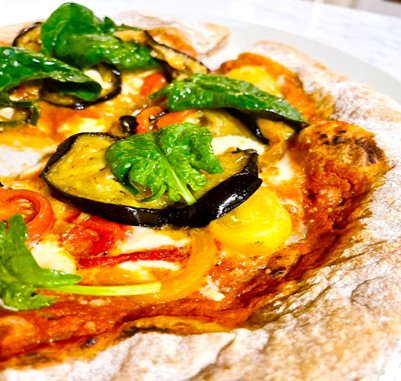
🍕 The magic of pizza made with your own hands.
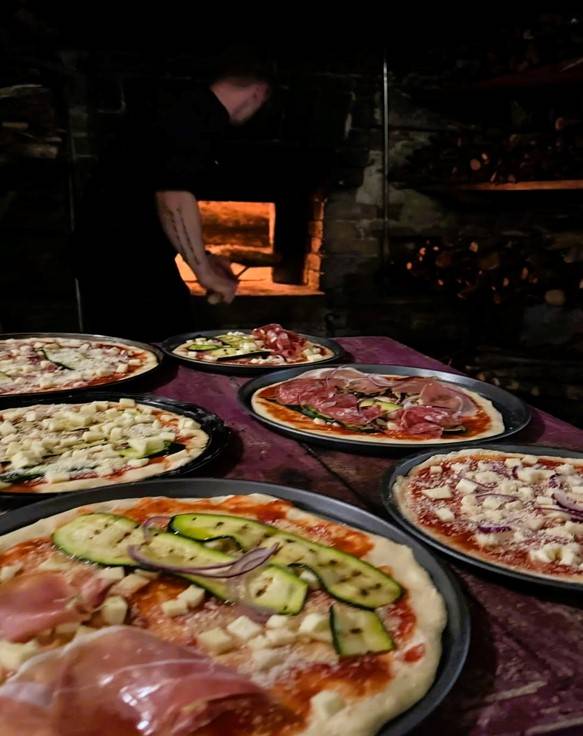
Guided by our pizzaiolo, you will discover the secrets of the perfect dough and unleash your creativity by choosing fresh, genuine ingredients to top your pizza.
Once back home, you’ll be able to say: “Tonight, I’m making pizza!”
More than a lesson, it will be a journey filled with flavors, smiles, and warmth. You will bring home not only new skills, but also the joy of having lived a truly authentic moment surrounded by the beauty of Tuscany.
🌿 An authentic experience, full of quality and warmth
Our pizzaiolo will accompany you step by step in preparing the dough. Then we will move on to making soft, fragrant focaccia and artisanal tiramisu, an iconic dessert of Italian tradition.
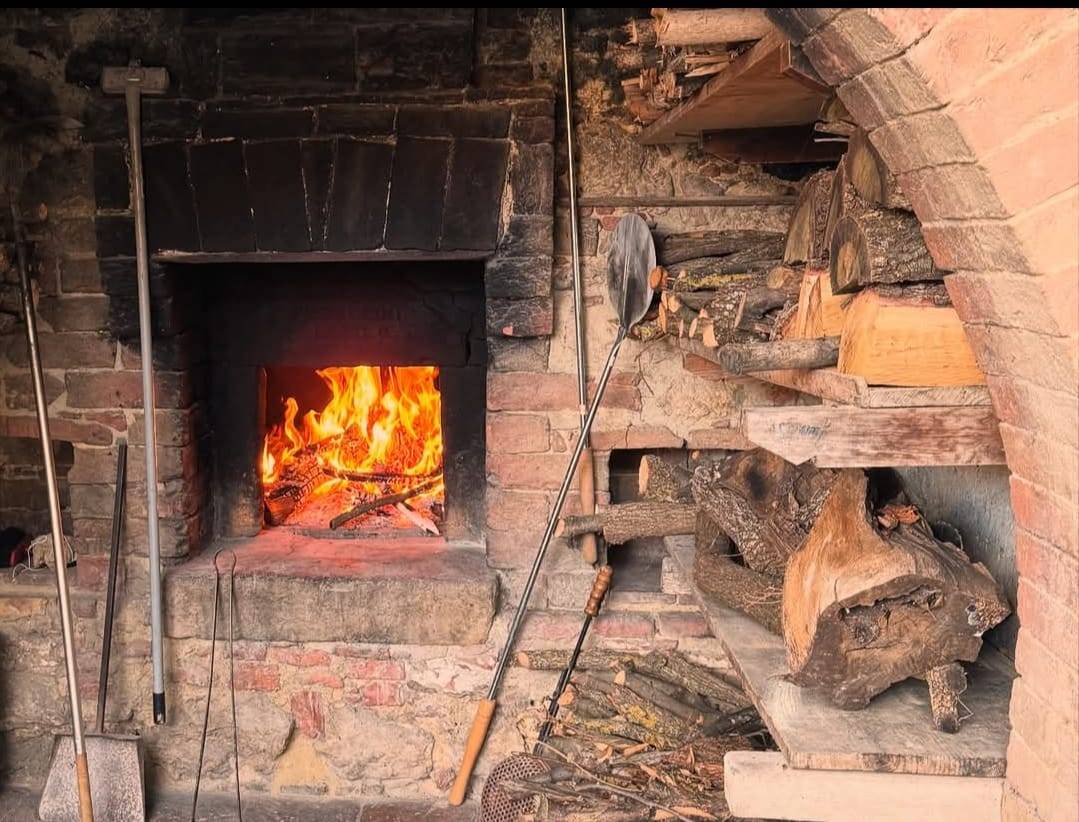
🍷 What’s included in the course
✔ Practical pizza-making lesson with a master pizzaiolo
✔ Unlimited pizza
✔ Preparation of focaccia and tiramisu
✔ Ability to top your pizza however you like
✔ Agriturismo apron to take home
✔ Wine from the estate to accompany the meal
🌄 A location full of charm
The lesson takes place in a unique and highly panoramic location overlooking the Sienese hills, in an environment where you can still feel the legacy of the Etruscan civilization that inhabited these lands centuries ago.
💶 Prices and information
€ 120 per person – minimum 2 participants
Available in Italian and English
Every day upon reservation.
We take into account food allergies and intolerances.
Let’s explore together the origins of pizza
The origins of pizza are rooted in a fascinating history that spans civilizations, continents, and centuries. Long before pizza became the gastronomic symbol of Italy, ancient Mediterranean cultures prepared simple flatbreads baked on hot stones or in rudimentary ovens. The Egyptians used leavened doughs more than 3,000 years ago; the Greeks prepared plakous, a flatbread topped with oil, herbs, and cheese; while the Romans consumed pinsa, a flattened bread made with mixed grains, often enriched with spices and local aromas. These early forms of “pizza” were practical, versatile foods accessible to everyone.
The real transformation, however, occurred much later—between the 18th and 19th centuries—on the lively streets of Naples, where pizza began to take the shape we know today. The arrival of the tomato from the Americas in the 16th century radically changed cooking practices, and it was in the city’s working-class neighborhoods that someone had the intuition to use it as a topping for flatbreads: a simple idea that revolutionized cuisine. At first, tomatoes were met with suspicion, but they soon won over the Neapolitans, giving birth to the first “red” pizzas.
Pizza quickly became an everyday food, loved by workers, families, and travelers thanks to its affordable price and incredible flavor. The pizzaioli of the time began perfecting techniques, doughs, and baking methods, transforming a popular food into a true art. In 1889, the creation of the Margherita pizza in honor of the queen—with the colors of the Italian flag: red, white, and green—officially consecrated pizza as an Italian symbol.
Since then, pizza has crossed borders, cultures, and interpretations, while maintaining its original spirit: a simple, convivial dish capable of telling centuries of history and, at the same time, constantly reinventing itself. Today it represents one of the most beloved expressions of culinary tradition worldwide—a bridge between past and present, between places and people.